
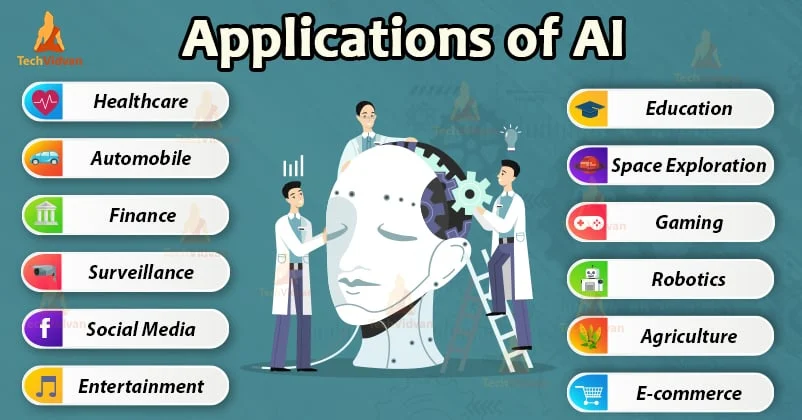
Artificial Intelligence (AI) is no longer a concept limited to science fiction movies or advanced research labs. Today, AI has become an integral part of our everyday life, silently working behind the scenes to make our tasks easier, faster, and more efficient. From smartphones and smart homes to healthcare, education, business, and entertainment, the increased uses of AI in our life are reshaping the way we live, work, and think.
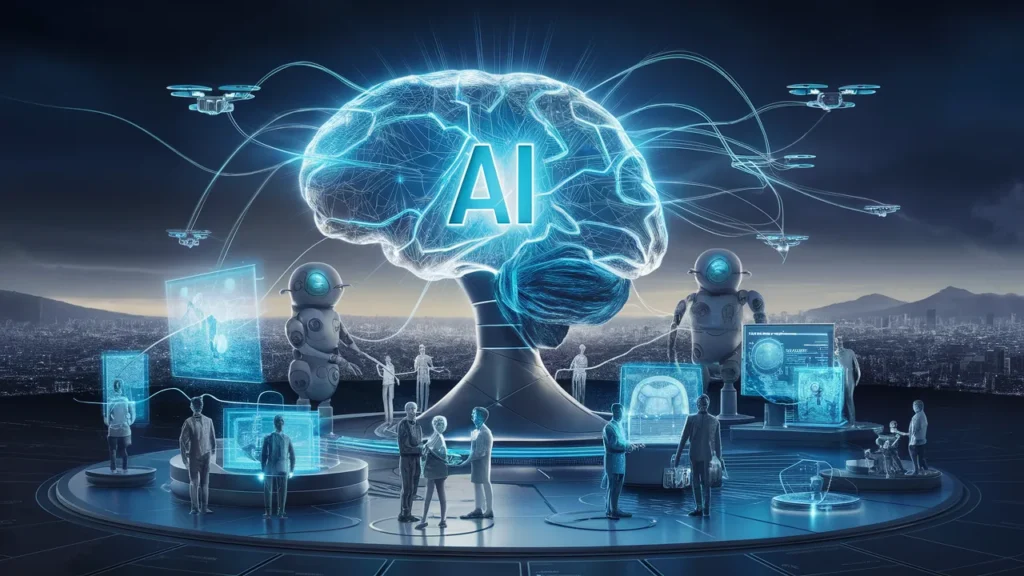
In this SEO-optimized blog, we’ll explore how AI is being used across different sectors, why its adoption is growing rapidly, and what the future holds for artificial intelligence in our daily lives.
What Is Artificial Intelligence?
Artificial Intelligence refers to machines and software systems that can mimic human intelligence. These systems can learn from data, recognize patterns, make decisions, understand language, and even improve themselves over time using technologies like machine learning, deep learning, and natural language processing.
The real power of AI lies in its ability to analyze massive amounts of data and deliver accurate, real-time results—something humans cannot do at the same scale or speed.
Increased Uses of AI in Daily Life
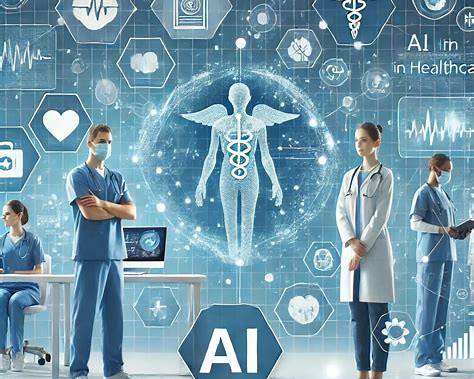
Increased Uses of AI in Daily Life
Healthcare is one of the most impactful areas where the increased use of AI is creating real-world benefits.
AI in healthcare helps with:
- Early disease detection (cancer, heart disease, diabetes)
- Medical imaging and radiology analysis
- Personalized treatment plans
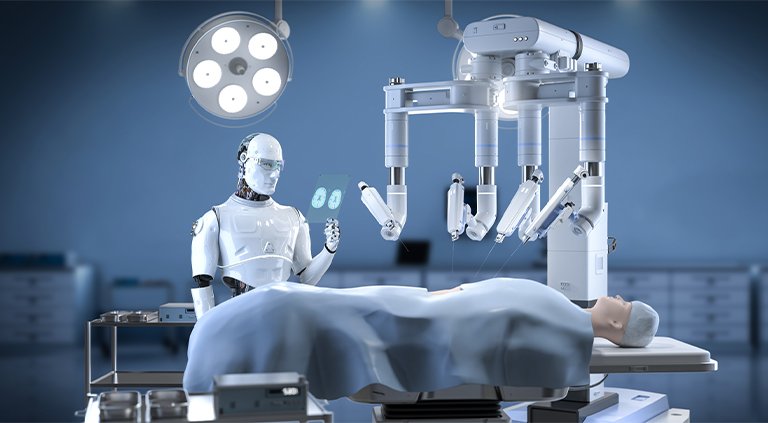
- Robotic surgeries
- Virtual health assistants and chatbots
AI systems can analyze medical reports and scans faster and often more accurately than humans, reducing errors and improving patient outcomes.
AI in Education: Personalized Learning Experience
The education sector is rapidly adopting AI to enhance learning experiences for students and teachers alike.
AI-powered tools enable:
- Personalized learning paths
- Smart tutoring systems
- Automated grading and assessments
- Language translation and speech-to-text tools
- Virtual classrooms and learning analytics
Students can now learn at their own pace, while teachers can focus more on creativity and mentorship rather than administrative tasks.
AI in Business and Digital Marketing
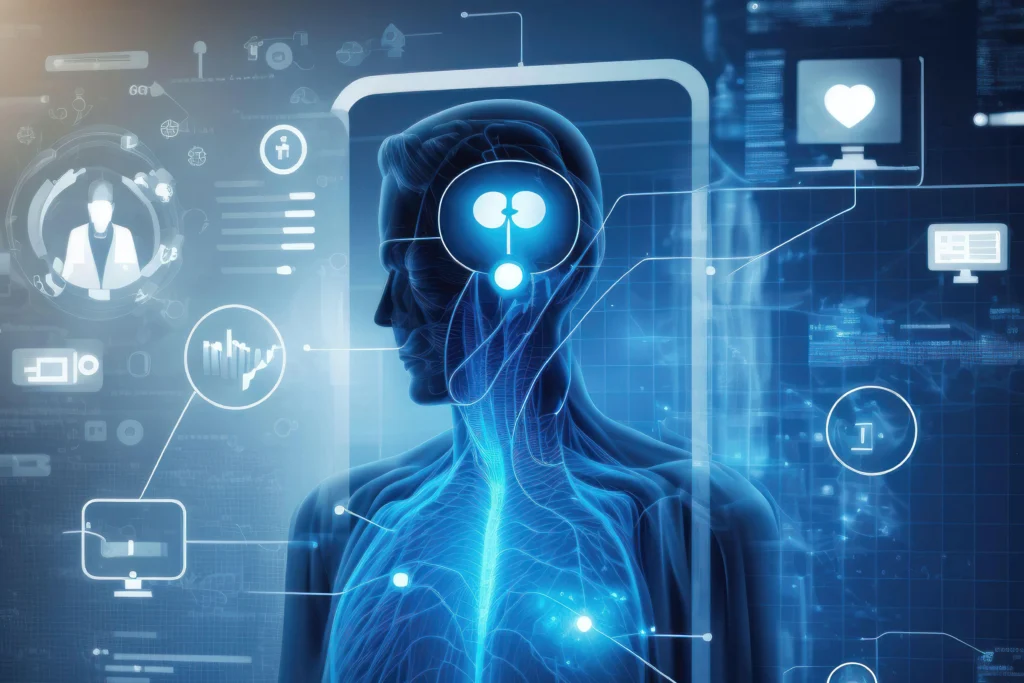
Businesses are leveraging AI to increase productivity, reduce costs, and improve customer experiences.
Key uses of AI in business include:
- Customer support chatbots
- Predictive sales and demand forecasting
- Data analytics and business intelligence
- Fraud detection in finance
- Automated email marketing and ad targeting
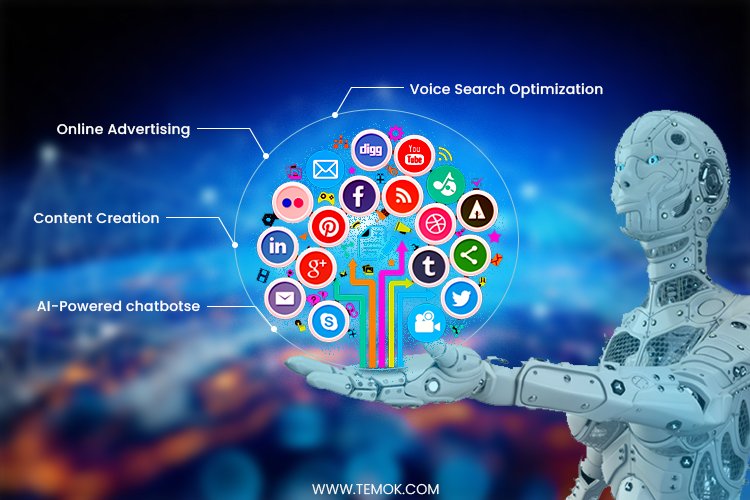
In digital marketing, AI helps analyze customer behavior, optimize ad campaigns, improve SEO strategies, and deliver personalized content to users—making marketing smarter and more effective.
AI in Entertainment and Content Creation
AI has transformed the entertainment industry and creative fields.
Examples include:
- Content recommendations on streaming platforms
- AI-generated music, videos, and artwork
- Video editing and voice cloning
- Game development and character behavior
Platforms like Netflix and YouTube use AI algorithms to suggest content based on user interests, significantly improving user engagement.
AI in Transportation and Travel
AI is revolutionizing how we move from one place to another.
Major applications include:
- Navigation and traffic prediction
- Ride-sharing services
- Autonomous and semi-autonomous vehicles
- Flight scheduling and route optimization
- Smart public transportation systems
AI-powered navigation apps analyze live traffic data to suggest the fastest and safest routes, saving time and fuel.
AI in Finance and Banking
Banks and financial institutions are adopting AI to improve security and customer service.
AI helps in:
- Fraud detection and risk assessment
- Credit scoring and loan approvals
- Automated trading systems
- Personalized financial advice
- Chatbots for banking support
This results in faster transactions, better financial decisions, and enhanced customer trust.
Why the Use of AI Is Increasing Rapidly
Several factors are driving the increased use of AI in our life:
- Availability of big data
- Faster computing power
- Cloud technology growth
- Demand for automation
- Need for accuracy and efficiency
AI systems continuously learn and improve, making them more reliable and valuable over time.
Challenges and Ethical Considerations
Despite its benefits, AI also presents challenges such as:
- Data privacy and security concerns
- Job displacement due to automation
- Bias in AI algorithms
- Dependence on machines
Responsible AI development, transparency, and ethical guidelines are essential to ensure AI benefits society as a whole.
The Future of AI in Our Life
The future of artificial intelligence looks promising and powerful. We can expect:
- Smarter cities and infrastructure
- Advanced healthcare diagnostics
- Human-like AI assistants
- AI-powered creativity and innovation
- Deeper integration of AI into everyday life
AI will not replace humans but will work alongside us, enhancing our capabilities and helping us focus on higher-value tasks.
Conclusion
The increased uses of AI in our life have already transformed how we live, learn, work, and communicate. From healthcare and education to business and entertainment, artificial intelligence is becoming the backbone of modern society.
As AI continues to evolve, those who understand and adapt to it will gain a significant advantage. Embracing AI responsibly can lead to a smarter, more efficient, and more innovative future for everyone.